
Learn Bitcoin
Why not learn about Bitcoin, after all there is a future in finance and paper money is not transportable
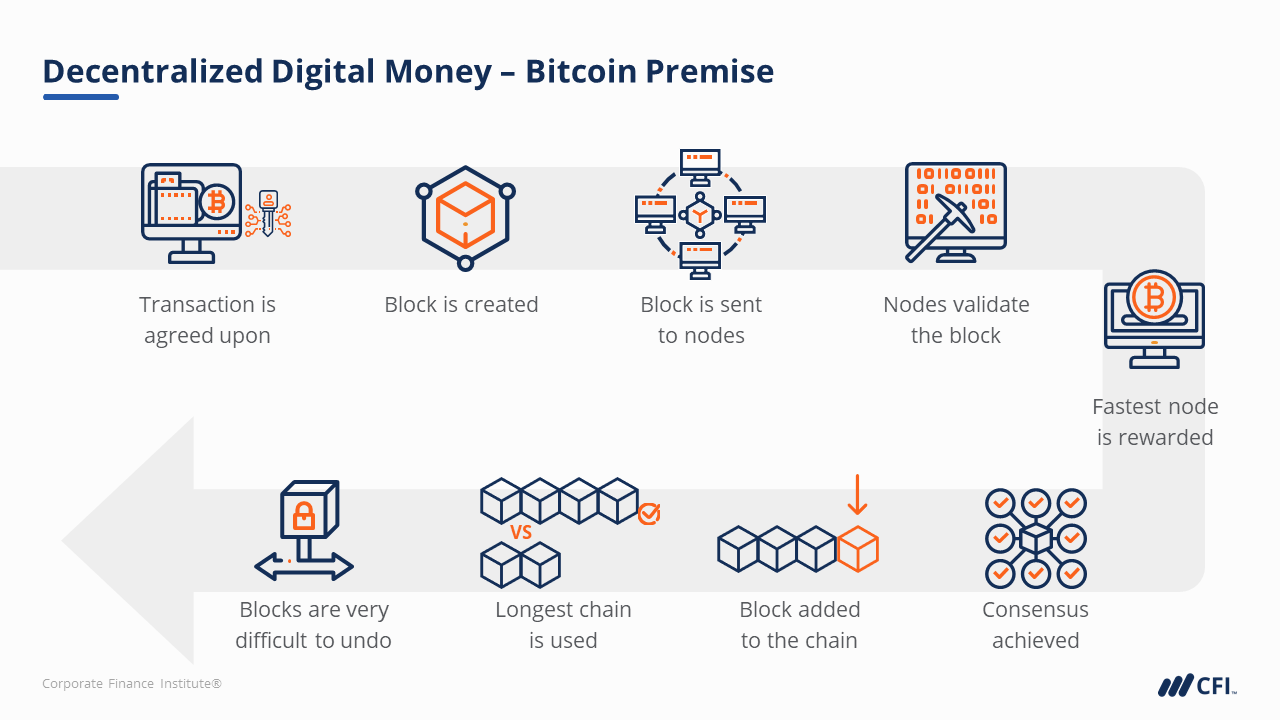
– A general diagram of how Bitcoin operates.
What is Money?
Conventional money may be though of as paper or coins physically held and exchanged, but this is not always the case. What individuals use as money has changed over the years. Initially humans used stones, sea shells, glass beads, and even gold. Unlike gold or other commodities, there is a limited amount of Bitcoin that will ever exist — 21 million.
Bitcoin is sound & hard money; durable, portable, divisible, and limited in supply. Opposite of sound money may be considered “stable” money, money produced at a fixed and predictable rate. Better colloquially known as fiat money, this form of money is often printed by centralized private organizations.
Some may see gold as a hard & sound but this may not always be the case when gold mines can be found as time goes on, or possible meteors may carry gold to earth someday. In either case of money notes or gold, these forms of money are often physically encumbering or hard to transport in large quantities including many verification processes and unnecessary fees.
What and Where is Bitcoin?
Bitcoin is a digital currency changing the way the world sends, spends and saves money. Bitcoin is not a tangible physical asset to be held in pockets or under mattresses, rather it is an asset that is secured digitally, using “blockchain” technology. A Blockchain is a shared public ledger in which the entire Bitcoin network relies. This allows Bitcoin wallets to calculate their spendable balance so new transactions may be verified thereby ensuring they are actually owned by the spender.
This makes it impossible to clip, manipulate, or debase. No individual, bank, or government gets to decide who gets access to YOUR bitcoin nor what its worth.
Bitcoin is accessed by a private key usually in the form of 12-24 word pneumonic passphrase, these phrases represent a string of number and letters which is identified as a “wallet”. This wallet is able to interact with the Blockchain, essentially being a keys to record the history and ownership of each Bitcoin(s).
How is Bitcoin?
Bitcoin is powered by the Bitcoin network in which public-key cryptography uses peer-to-peer networking, and proof-of-work to process and verify payments. Each transaction is broadcast to the Bitcoin network and included in the blockchain. This ensures that no bitcoins may be spent twice (double-spending), a problem often faced by merchants in conventional economic transactions.
Bitcoin is a a purely peer-to-peer version of electronic currency that allows online payments to be sent directly from one party to another without going through a financial institution and their respective fees.
Who created Bitcoin?
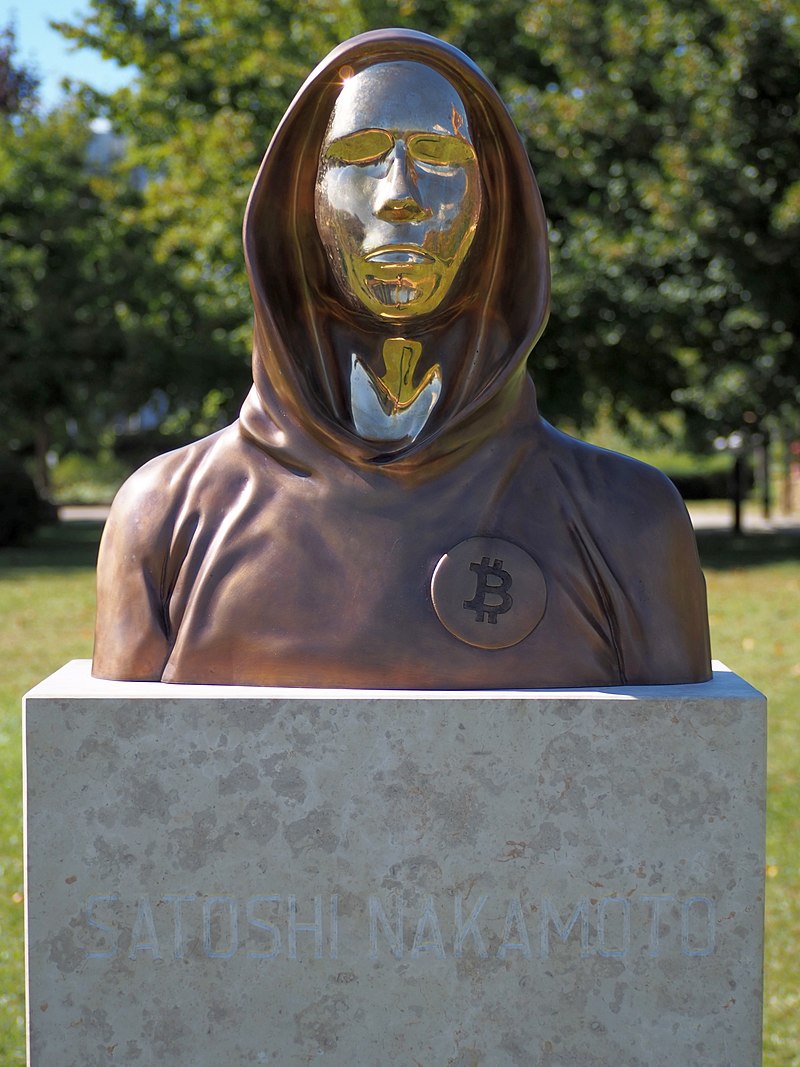
Bitcoin was created by an individual(s) known by the pseudonym “Satoshi Nakamoto” – though their identity remain unknown, the idea remains proven and efficient. Bitcoin is not controlled by any entity or centralized organization, rather it is distributed by the bitcoin block-chain.
How does one obtain & access their Bitcoin?
To purchase Bitcoin, this may be done through a digital exchange wherein users purchase Bitcoin with their local currency digitally or with paper money at a Bitcoin ATM.
Once Purchased, the individual may send the Bitcoin to an already existing wallet, or one may be created prior to obtaining any Bitcoin.
To access and see Bitcoin balances and transactions, one needs to have a Bitcoin wallet which is secured by ‘seed-phrases’ or a specific sequence of words which are keys needed to back-up or restore wallets.
Why Bitcoin?
Bitcoin is P2P electronic cash, advanced than the counterpart of digital debit/credit or legacy systems because of monetary autonomy it brings users. Bitcoin is: permissionless, borderless, anonymous, private, censorship-resistant, fast, cheap, irreversible, and online and available 24/7/365. Bitcoin has now been considered a very strong store of value.

 Texas Bitcoin Initiative